Tuesday, May 19, 2020

Singhdannam or Akkara Vadisal

Singhdannam or Akkara Vadisal

This is a famous nevidhyam prescribed in Lalitha 1000. This literally means that, Pongal/rice which has oozing ghee in it! Andal also sings about this in her Thirupavai.
Legend has it that Gopikas of Brindavana did a vrutham in the month of Margashirsha, where they offered this and several other offerings to Kathyayani Devi - to get their
wishes of uniting with Krishna fulfilled. Andal follows their path! Since this vrutham was done for Kathayayani / Vindhya Vasasini it's called Paavai (means girl) nonbu or vrutham!

Ingredients
  1. Raw Rice - 1 cup
  2. Moong dhal - 1/2 cup
  3. Ghee - 1-2 cups
  4. Jaggery - 1.5 cups
  5. Whole Milk - 2-3 cups
  6. Cardamom -2, Cloves -2, Saffron - a pinch, edible camphor- a pich - for flavor
  7. Cashews, Raising - 2tbsps - for garnishing
  8. Grated coconut - 2 tbsps (otpional)
Procedure
  1. Cook the rice and moong dhal in milk with 2-3 tbsps of ghee (in cooker or outside in a vessel).
  2. Cook it on low t medium flame.
  3. After that mixture is cooked, add the jaggery powder and keep stirring.
  4. Like halva, keep adding ghee - little by tille.
  5. Once done, it will be oozing ghee!
  6. Now turn off the gas.
  7. Podwer the flavoring items and add to this pongal and mix well.
  8. If adding grated coconut add it now.
  9. Heat shee and add cashes and raising and fry them and add to this mixture.
  10. Add all the remaining ghee o the top.
Mouth watering snighdannam is ready! 

Very excellent indigenous , healthy sweet! Liked by Perumal and Ambal!

Vazhaikkai Upperi

Vazhaikkai Upperi

Ingredients

  1. Raw Banana(2-3 nos) - Peeled, sliced & diced -  2 cups
  2. Salt, turmeric, water - to cook the banana
  3. Coconut oil 1-2 tsp, mustard seeds/ u dhal 1 tsp - for seasoning
  4. Grated coconut - 2tbsp, green chilies 2-3 nos, curry leaves - 5-10 leaf lets - for garnishing.
Procedure
  1. Add the banana pieces to a vessel with water, sat and turmeric and cook it covered on medium flame.
  2. After it's cooked, leave the vessel covered for 10 mins.
  3. Now filter the water and allow the banana pieces to cool down.
  4. In a pan add coconut oil, mustard / u dhal.
  5. Once mustard splutters, add the fried banana prices.
  6. Add a pinch of slat/ turmeric if needed.
  7. Now grate - coconut, green chilies, curry leaves in mixer.
  8. After the banana has mixed well with the seasoning, turn of the gas and add the garnishing.
  9. Mix it well.
  10. Raw banana upperi is ready.
Enjoy with with rice or roti.

Tomato / Cocum Rasam

Tomato / Cocum Rasam
Rasam is usally prepared in tin vessels (EEya Chatti). This is supposed to help us fight against diabetes and keep us healthy.
Since this rasam gets prepared on dwadashi, no tamarind is added to this.

Ingredients
  1. (dried)Cocum / Kudam puli - 4-5 numbers
  2. Tomatoes - 300-400 gms - sliced length wise (dont cut it too small - but slice them length wise into medium sized pieces).
  3. Turmeric powder - 1 pinch, salt - to taste, hing - 1 pinch.
  4. Rasam Powder - 1 -2 tsp (If powder not available dry roast  1tsp coriander seeds, 1/2 tsp pepper, 1/2 tsp cumin seeds, 1 red pepper and grind to a coarse powder.)
  5. Water in which dhal was cooked - 1 cup
  6. Ghee - 1-2 tsp, mustard/cumin seeds - 1tsp, curry leaves - 4-5 leaflets, methi seeds - 1/2 tsp, black pepper powder - 1/2 tsp - for seasoning.
  7. Finely chopped Coriander leaves / stem - a fist full. 
  8. 1 green chillie - Sliced (optional)
Procedure
  1. In the tin vessel add 2 cups of boiling water, salt, turmeric, cocum , green chilies (optional) and bring to a boil.
  2. Now add dhal water & sliced tomatoes.
  3. Bring the tomato mixture to boil.
  4. Then add rasam powder and hind and turn off the gas. (Rasam must not boil too much )
  5. In a pan add ghee, mustard/cumin.
  6. After mustard splutters, add curry leaves & pepper powder and add it to rasam.
  7. Add coriander stem/leaves.
Mildly tangy rasam is ready.

Enjoy it with rice / idly or any dish of your choice.

Note: If you have dried neem flowers, fry it in ghee and add to this rasam.
Note: If you have coconut milk add 1 tbsp - it tastes well.

Dwadashi - Mor Kuzhabmu with turkey Berries (Sundaikkai)

Mor Kuzhabmu with turkey Berries

Ingredients
  1. Winter melon or white pumpkin(s) - sliced and diced - 1-2 cups
  2. Grated Coconut - 1 cup, 2 green chilies, 1 tsp rice flour, 1tsp - fried Bengal gram - for grinding
  3. Turkey Berries - 8-10 (dried ones)
  4. Sour Curd or Thick Butter milk - 3 cups
  5. Curry Leaf - 5 leaf lets, mustard - 1/2 tsp , red chilies - 1 , coconut oil - 2 tsp
Procedure
  1. First add salt, turmeric powder to 2-3 cups of water and add the white pumpkin cubes and cook them until done.
  2. Add Grated coconut, and other grinding items and grind those to a fine paste.
  3. Churn the curd/butter milk well.
  4. Mix the ground coconut paste to churned butter milk and mix it well.
  5. Add the butter milk mixture to cooked pumpkin pieces.
  6. After that mixture comes to a slow boil, stir it very well.
  7. Keep stirring or the butter milk with curdle .
  8. After it starts to boil turn off the gas.
  9. Add coconut oil, mustard seeds and heat. 
  10. After mustard seeds splutter - add curry leaves and red chilli.
  11. Add the above seasoning to the butter milk / white pumpkin mixture.
  12. Finally add a little more oil to the pan, and add the turkey berries and fry them until they turn black.
  13. Add it to butter milk / pumpkin mixture(Kuzhambu).
  14. More Kuzhambu is done.
Enjoy with rice or roti or any other dishes.

Note: Only for dwadashi we add turkey berries - usually no need to add this.
Note: This can be prepared with other vegetables like yam, bhindi, ripe mangoes etc..
Note: Fried papads etc. go well with this.

Paranai - II

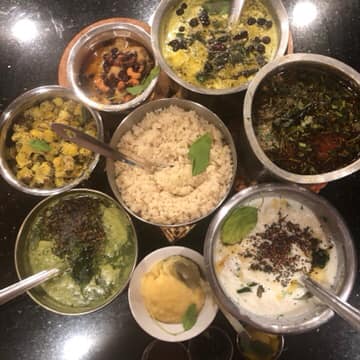
Dwadashi Paranai - This menu is pretty standard every Dwadashi - All over India - Dwadashi marks the ceremonious breaking of  ekadashi fast! It's a super detoxifying  meal with no tamarind and very less chilies. This time I added -
Snigdhannam or AkkaraVadial & Dadyodanam or fluffy curd rice to this menu.
Strictly ghee / coconut oil only for cooking today.
  1. WhitePumpkin Mor Kulambu
  2. Tomato / Cocum rasam
  3. Vazhaikkai Upperi
  4. Moong Dhal
  5. Snigdhaannam ( Akkara Vadisal)
  6. Dadyaannam (Curd Rice)
  7. Goose Berries
  8. Keerai Mulakoottal
  9. Ghee
  10. Quinoa rice
Note: While cooking moong dhal, add 1/2 tsp of ghee in it. It prevents moong dhal from raising like a fountain from cooker.
  1. பயத்தம் பருப்பு 
  2. கீரை மொளகூட்டல் 
  3. ஸ்னிக்தான்நம்  (அக்கார வடிசல்)
  4. தத்யோதனம்  (தயிர் சாதம்)
  5. தக்காளி / குடம் புளி இரசம் 
  6. தோல் நீக்கிய வாழைக்காய் உப்பேரி
  7. பூசணிக்காய் மோர் குழம்பு (சுண்டைக்காய் வத்தல் சேர்த்து)
  8. நீர் நெல்லிக்காய் 
  9. புத்துருக்கு நெய் 
  10. குனோவா சாதம் 
ஏகாதசி அன்று கண்ணனை நினைந்து உபவாசமாக இருந்து, துவாதசி அன்று விடியற்காலையில் எழுந்து துளசி/ சாளக்ராம அபிஷேக தீர்த்தம் அருந்தி, கண்ணன் நாமத்தால் சுண்டைக்காய், நெல்லிக்காய் , அகத்திக் கீரை உண்ண- அவைகள் கோவிந்தா கோவிந்தா  என்று சொல்லிக்கொன்றே உள்ளே செல்லும் என்பது நம் மரபு. ஆனால் - நெல்லிக்காய் - இரும்பு சத்து, சுண்டைக்காய் விதை - கிருமி (குடற் புழு )நாசினி, அகத்தி கீரை - மலமிளக்கி - இப்படி உடல் நலத்திற்காக மருந்தையும் சேர்த்து வழங்கினார்கள் நம் முன்னோர்கள்.அகத்திக் கீரை  சாப்பிட்டால் பேதி ஆகும் என்பதால் - மாதத்திற்கு இரு முறை தான் அதனை உட்கொள்ள வேண்டும் என்பது சித்த மருத்துவத்தின் விதி.
ஏகாதசி அன்று பச்சை பட்டினியாய் இருந்து வயிறு காய்ந்து போயிருக்கும் என்பதால், துவாதசியன்று விடியற்காலையில் - துவாதசி திதி இருக்கும் பொழுது - நித்ய கர்மாநுஷ்டானம், பூஜை முதலியவற்றை முடித்து, துளசி தீர்த்தம், அருந்தி பாரணை செய்தல் என்பது உடலுக்கும், உள்ளத்துக்கும் மிக சிறந்தது. சிறு பிள்ளைகள் முதல் பெரியவர் வரை ஆச்சரிக்க கூடிய விரதம்! என்ன அற்புதம் பார்த்தீர்களா? கோவிந்தா நாமம் ஒன்றே போதும்! 
காப்பியில் அமிலமும், தேநீரில் துத்தநாகமும் உள்ளது - வெரி வினையே வேண்டாம்! இன்றைக்கு நம்மறவர்களுக்கு வரும் வியாதிகளில் பாதியும் இந்த பொல்லா காபி மற்றும் தேநீரால் வருவன என்பதை நாம் அறிய வேண்டும்.
நேரம் இருந்தால் - தைத்திரீய உபநிஷத், நரசிம்ம தாபினி  பாராயணம் செய்யலாம்! 
வெறும் வயிற்றில் பாரணை உண்டால் முழுப்பயனையும் அடையலாம்!காப்பியை அருந்தி பாரணை சாப்பிட்டால் - மருத்துவ பயன்கள் வீணாய் போகும்! விரதமும் வீணாகி விடும்! கண்ணன் அருளால் காப்பி அருந்தாமல் இருப்பது உடலுக்கும் உள்ளத்துக்கும் மிகவும் நல்லது.


Friday, May 15, 2020

Mor Koottu

Mor Koottu
This a super fine delicacy that goes well with any tangy main dish like vatha kuzhambu, etc..
Vegetables oprimarily used are: white pumpkin, raw banana, & squash


Ingredients

  1. Sliced and diced vegetables (as mentionedn above - raw banana/ squash / white pumpkin) - 1 cup
  2. Grated Coconut 1/4th of a cup,green chilies - 2-3 - for grinding
  3. non-sour curd - 1/2 cup
  4. salt - to taste
  5. Coconut oil - 1 tsp, mustard+ u.dhal+cumin seeds - 1 tsp, curry leaves - 5-10 leaflets, red chilies - 1-2 - for seasoning.
Procedure

  1. In a shallow vessel add a little water  & salt and bring to a boil.
  2. Add the cut vegetables (don't cut them too thick) & cook it covered on medium flame.
  3. In the mean time grind coconut & green chilies to a fine paste.
  4. When the veggies are mostly cooked, add the ground mixture.
  5. When everything boils , stir or mix it gently.
  6. Turn off the stove and add 1/2 cup of thick non-sour curds.
  7. Once more mix everything gently.
  8. In a pan add coconut oil, mustard, urad/dhal & cmin.
  9. Once mustard splutters then add curry leaves & red chilies.
  10. Add this seasoning to the vegetable/ ground mixture.
  11. Your yummy and creamy mor kottu is ready!
    Enjoy it with rice / chapathi or any tiffin items of your choice.

Note: Some people also use carom seeds for seasoning - but they taste bitter. I prefer regular seasoning.


Note: This dish does not require asaefotida or turmeric. Usually stuff cooked with tamarind only has asaefotida or hing added.

Pulungari or Puli Kuthi koottu or Puliyangari

Pulungari or Puli Kuthi koottu or Puliyangari
As the name suggests this  is one of the delicacies with tamarind. An excellent alternative for sambar & a very good side dish for mulakoottal / curd rice.This is a classical Palakkad dish. There's also a dry version of this, which I will share in a separate post.

Ingredients
  1. 2 cups of sliced & diced Indian veggies (Indian beans, long beans, brinjal, bhindi, snake-gourd, white/red pumpkins/ taro / yam/ tindora / Raw banana)
  2. Tamarind - one lemon size
  3. Raw Rice -2 tsps, fenugreek or methi seeds - 1/2 tsp, 4-5 red chilies - for dry roasting & grinding
  4. Shredded Coconut - 1/2 cup or 1 tbsps
  5. Cooked tuar dhal - 1 c.5 cups
  6. mustard/u.dhal - 1/2 tsp, fenu greed seeds - 1/2 tsp,curry leaves - 5-10, red chillies - 2, hing - a pinch , cocnut oil - 1.5 tsps - for seasoning
  7. Jaggery / Molasses powder - 1tsp
  8. Salt to taste
  9. Green Chillies - 3-4
Procedure

  1. Add tamarind pulp, salt, jaggery, turmeric powder, a pinch of hing to about 3-4 cups of water in a vessel.
  2. Now silt he green chilies and add it tot he vessel.
  3. Place the vessel on stove and bring it to a boil.
  4. Add your Indian veggie mix to the vessel and cook it covered on medium flame.
  5. In the mean time - in a pan, dry roast raw rice, methi seeds and red chilies on low flame.
  6. After the methi seeds turn red, transfer the contents to a mixer container and allow the same to cool.
  7. Add 1/2 cup of crated coconut and grind the same to a coarse paste.
  8. After the veggies/ tamarind mixture is cooked, add this paste.
  9. If needed add a little hot water to the vessel.
  10. After it starts to boil, add 1.5 cups of cooked tuar dhal.
  11. Make sure that it's not too watery -as it solidifies later.
  12. Turn off the stove now.
  13. In a pan, add coconut oil, and add u. dhal & mustard.
  14. After mustard splutters add curry leaves, red chilies, hing, red chilies powder and turn off the stove.
  15. Add seasoning on top of your gravy.

Pulungari is ready and enjoy it with rice, dosa, idli, bread, rotis etc..

Note: A mixture of vegetables are preferred . But if you have only one,  type that's good too. Oakra or ladies finger is very popular for this dish.

Pala Vathal Kuzhambu

arlier - Chaturmasyam started on the fiirst of Suryamana (Tamil) month of Ashada - which was ont he 16th of July. For four months - each m...